Breaking the Rules

I recently had a conversation with a family friend about design "rules" (now that everyone has easy access to AI, I am finding more and more people referencing them). Anyway, I suggested that they should be considered more of "guidelines", because people with a talented design intuition break them all the time when it "feels right". The problem occurs when a person unskilled at design decides to break them as a short cut - things can go wrong FAST! (are any of you familiar with the IG account: "Please Hate These Things?". She shows very good examples of "broken rules gone wrong"!)

 Here are some examples of a "rule" that was broken on a project, and why it works…
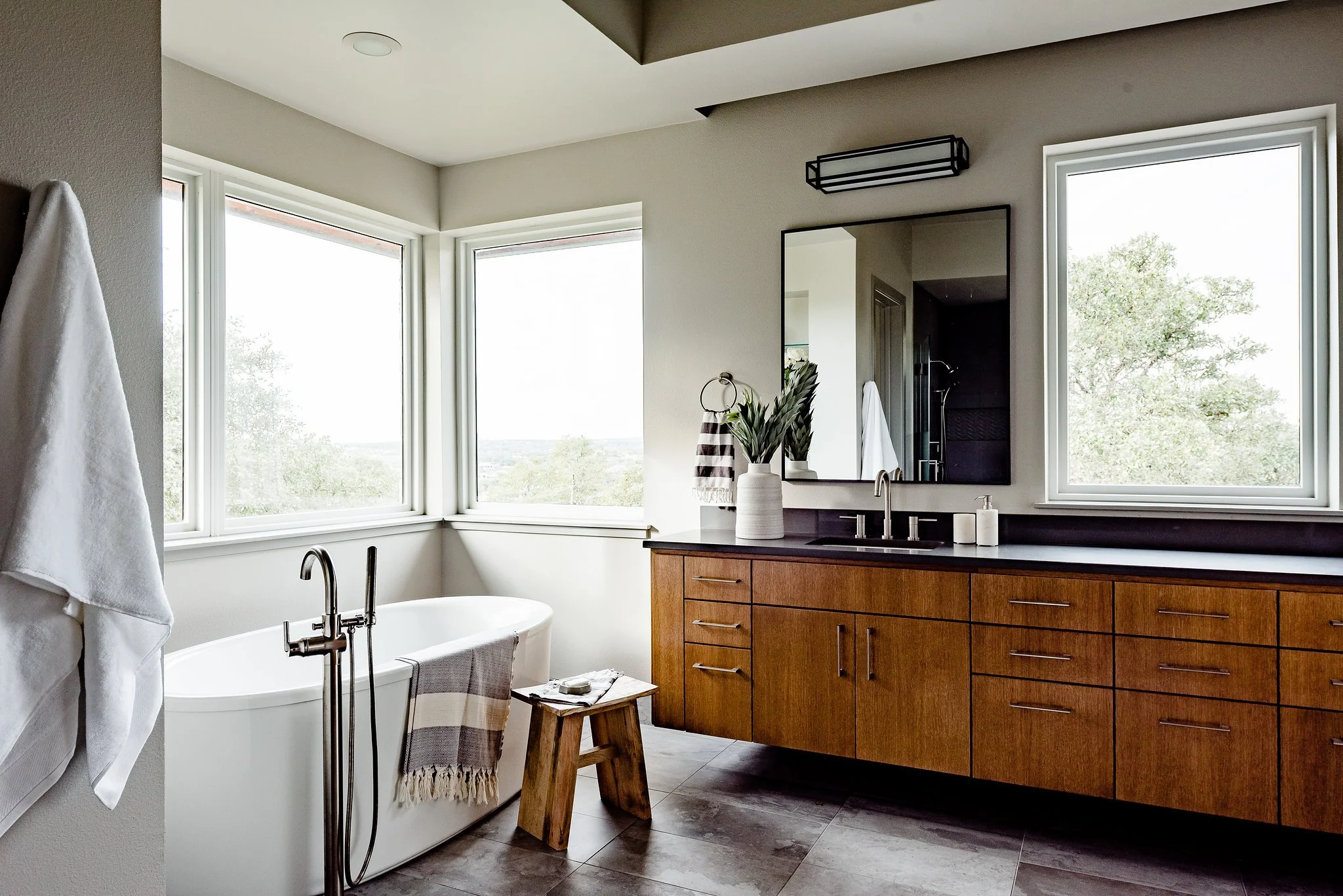
Mixing metal finishes is a great thing to do when done strategically (see my former post titled Metal Finish Finesse, which addresses how to do this successfully).

For the Hillside House Primary Vanity mirror in the left picture, we used a black metal frame, which works because even though the plumbing and hardware is satin nickel, there are plenty of other black accents.

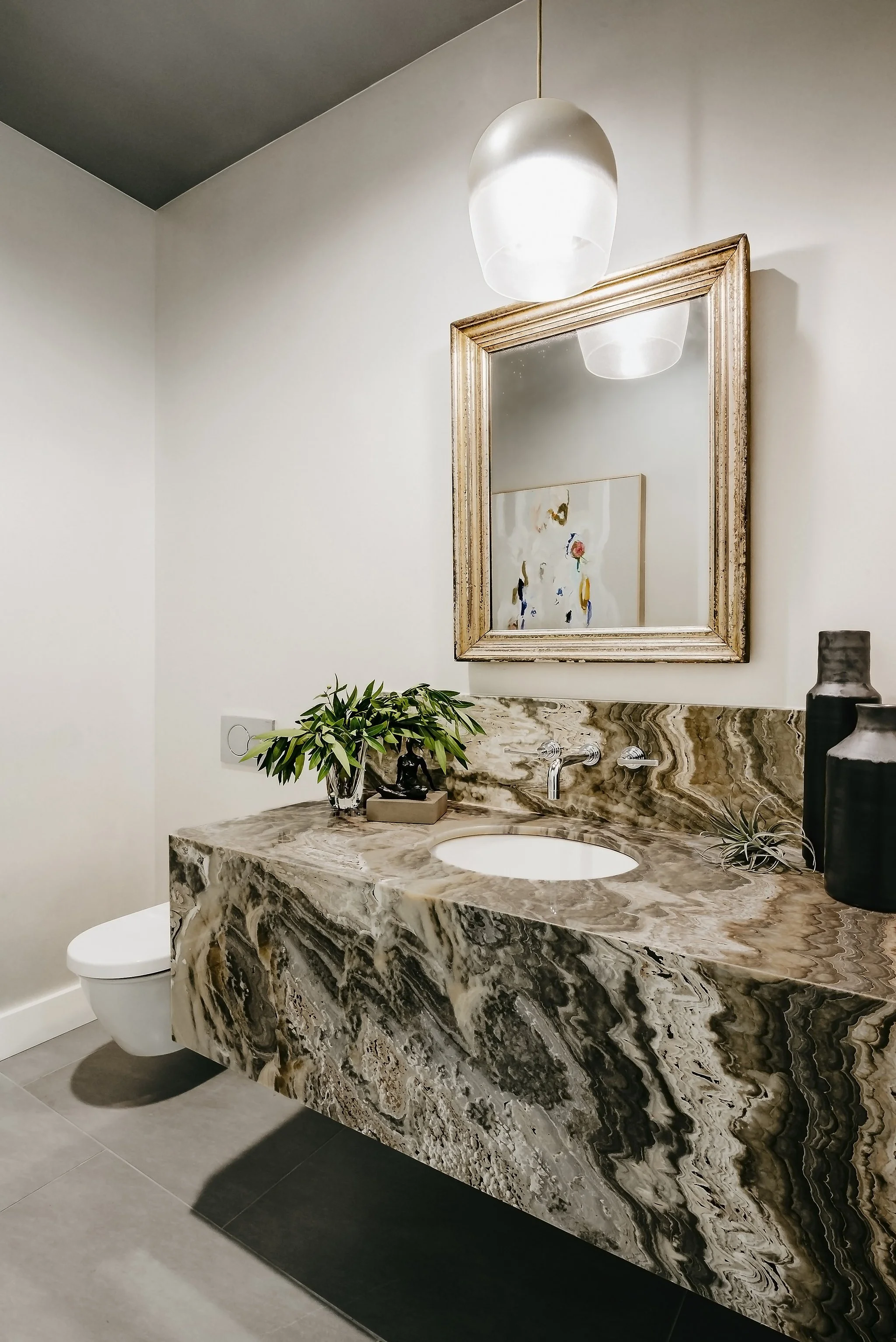
In the instance of the Fairview House Powder on the right, the fabulous antique mirror pulls tones from the Sunset Cloud Onyx stone countertop, and the light fixture and faucet mimic and anchor one another, once again with tones from the Onyx.

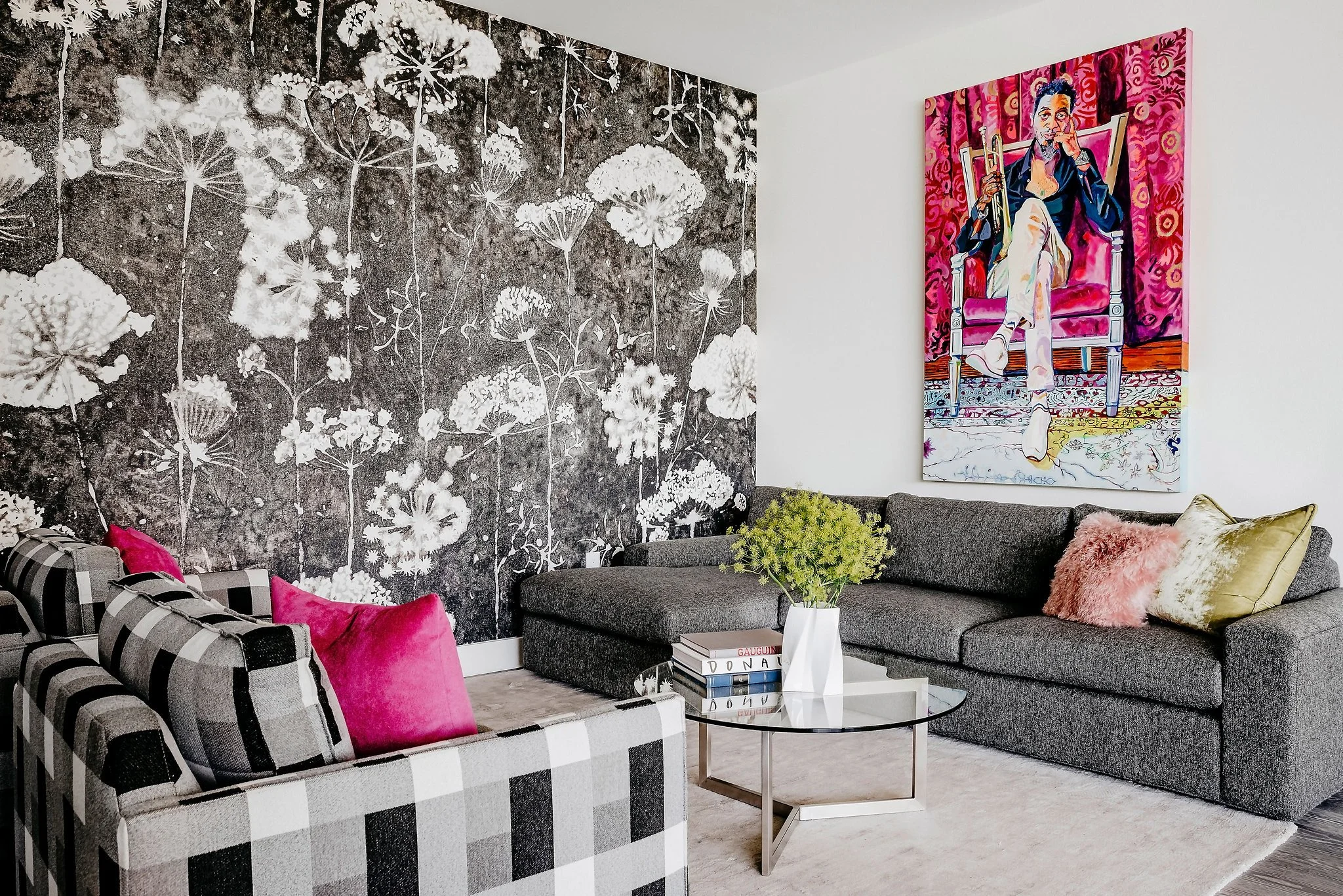
Fairview House Den

Mixed large scale patterns – the Fairview House Den uses a monochromatic color scheme with one primary colorful departure via the art. This prevents the space from becoming visually confusing or cluttered.
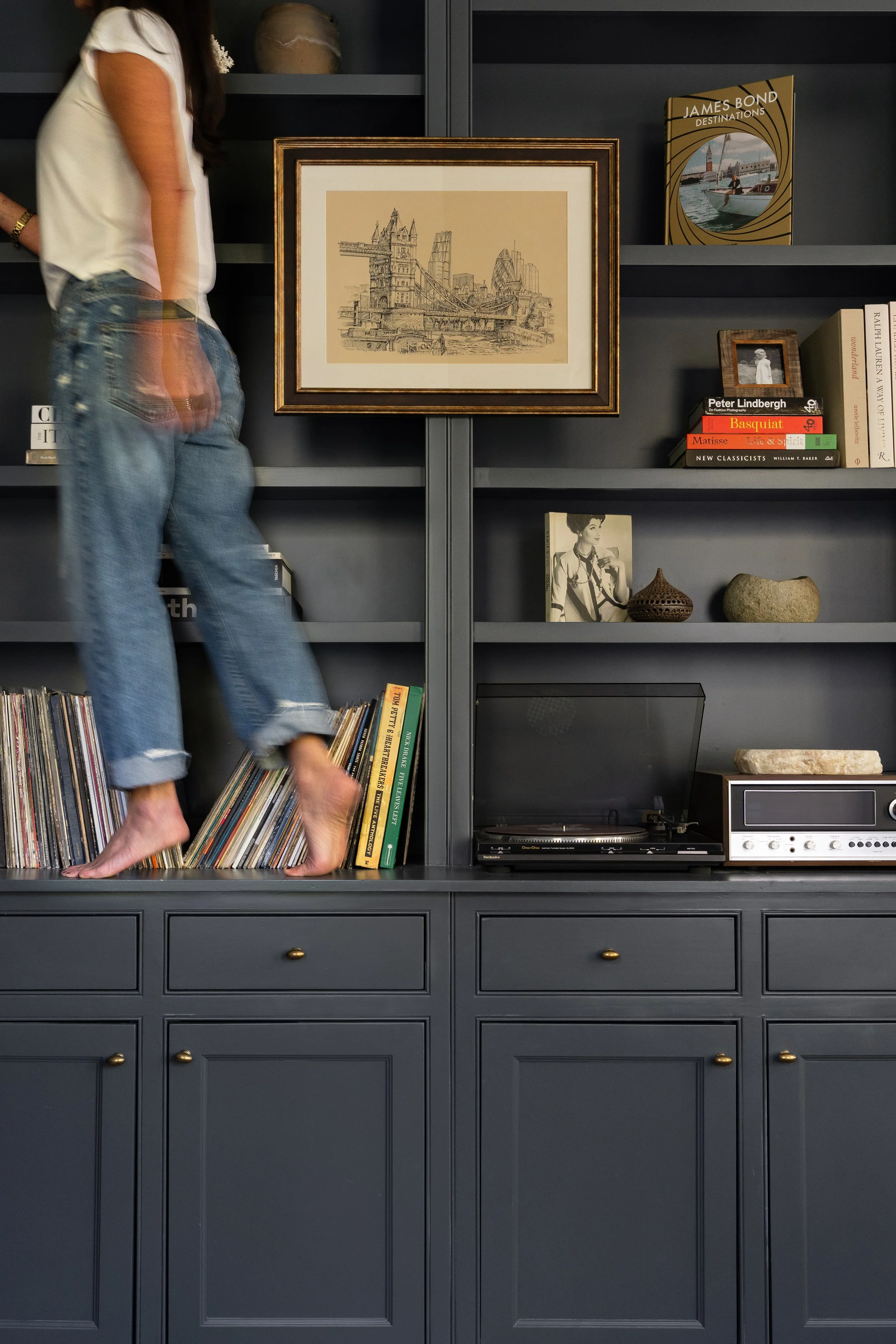
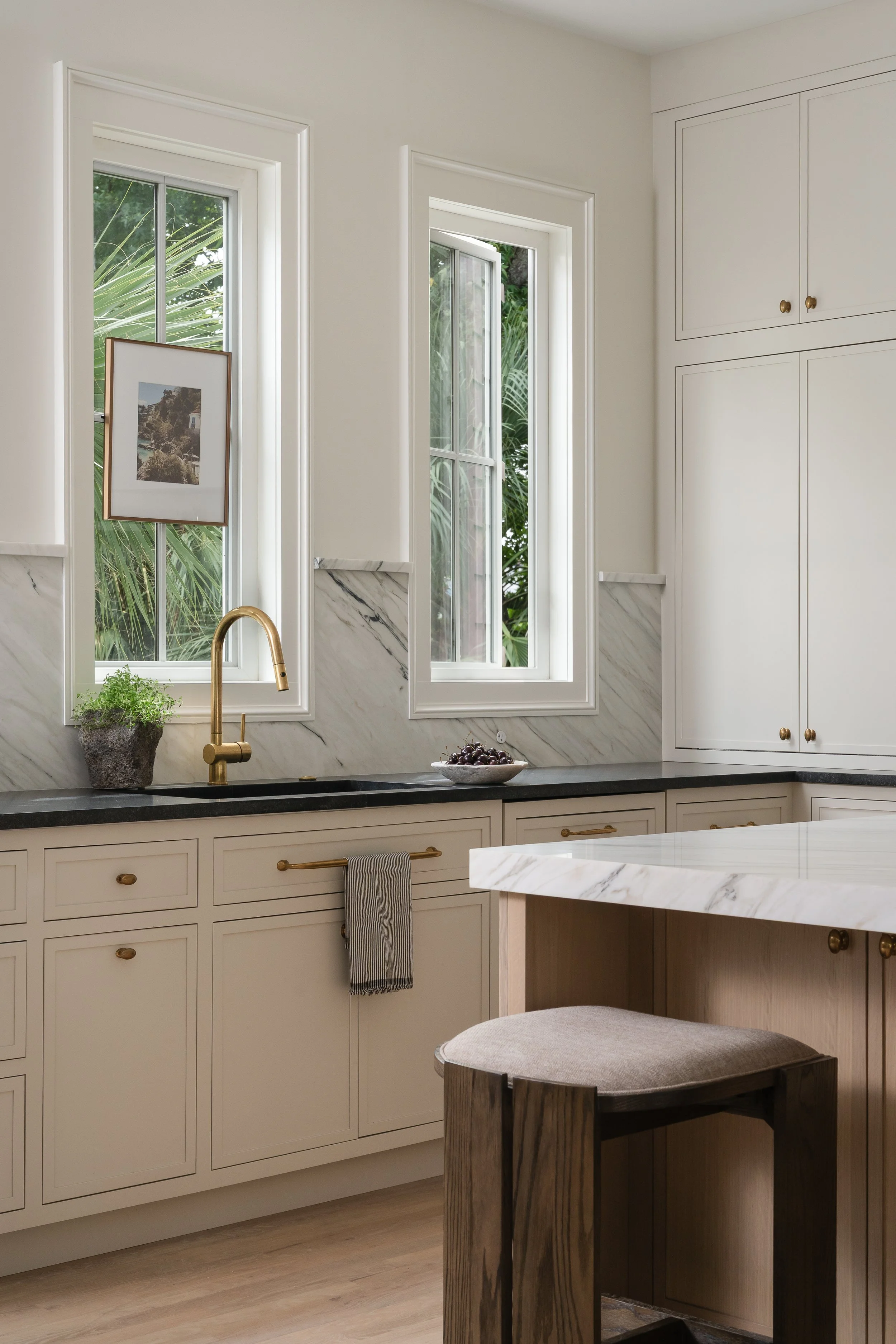
Art that is not on a wall – I ran across these images from Kim Nielsen Design, and they demonstrate such a fun way to add interest in an unusual place. Especially if you have an art piece you love, but not a good wall for it.

So, I guess my bottom line message is – if you are trying to make design decisions, don’t worry too much about whether there is a “rule” for it, but check your gut (sorry AI – I am not recommending you for this!) – does your gut tell you it works? Or does it feel “wrong”? In most instances when a client says “You might not like this” – my main question is, “Do YOU like it?”, and if so – who cares if I think it’s right or wrong!? And if you really don’t trust your gut – get feedback from someone who does (for example - a talented designer). Most of the time if someone breaks a rule and it doesn’t work, it’s because they tried to force it or didn’t pay attention. It’s not because they loved it and therefore did it anyway.

So, good luck with this. Now go out there and break some rules with confidence (haha)!

Design is an Ecosystem

Photo by Casey Cunnigham Photography

I have an employee who has many times referenced what we do as an ‘ecosystem’, and I always loved that description, because when one thing changes, everything else needs to be revisited. I learned this week that the word was actually an observation by her significant other watching her work. That discussion further validated for me just how accurate that concept is.

And often it feels that clients and project teams don’t recognize this to the extent that they could. Changes will be made at the last minute, either because something is not available anymore, or clients are changing their minds, and it sends us into a tailspin of revisiting everything. As a firm, we work hard to be extra respectful of budgets and schedules, but this dynamic often creates a challenge for both of those critical elements to a project.

Another time this dynamic has an impact is when someone makes a purchase for an existing home and it is an extreme departure from what they already have. I have not encountered this as much recently, and come to think of it, I am thinking that perhaps I have scarred some friends and family members who in the past excitedly announced to me that they had made a purchase, and they saw the look of terror on my face. Haha!

I am writing this to help manage expectations, so that people are aware that if one thing changes, often a lot of things change, and it is not that we are trying to make things more complicated - we just want the entire space to be fabulous!

Finding Your Happy Place

Last week my husband and I visited Carmel, CA. As we walked along the beautiful beaches, admiring the multi-million dollar homes with gorgeous ocean views, we discussed what aspects of our next home (or even a small vacation home) would be most important to us.

We decided that our list looks like this:

  • A small, efficient layout.

  • Views of something beautiful in nature: mountains, water, etc..

  • Fun things to do nearby that would attract family.

  • A place that’s easily accessible by plane.

  • An architecturally interesting and well-designed home.

  • Use of quality materials.

  • Simple. Easy to maintain.


Luckily, my husband and I share similar priorities as it relates to what our future looks like. Neither of us finds it important to have grand objects or ‘fancy’ things, but we do value quality, both in objects and in relationships, and convenience. Having a few close friends and family members who like to come often is much more important to us than having a showpiece house or a place for large parties, and comfort and convenience are high on the list as well.


What’s important to you and your loved ones?

It’s a great thing to consider as you invest in your current home, or dream about a future one…

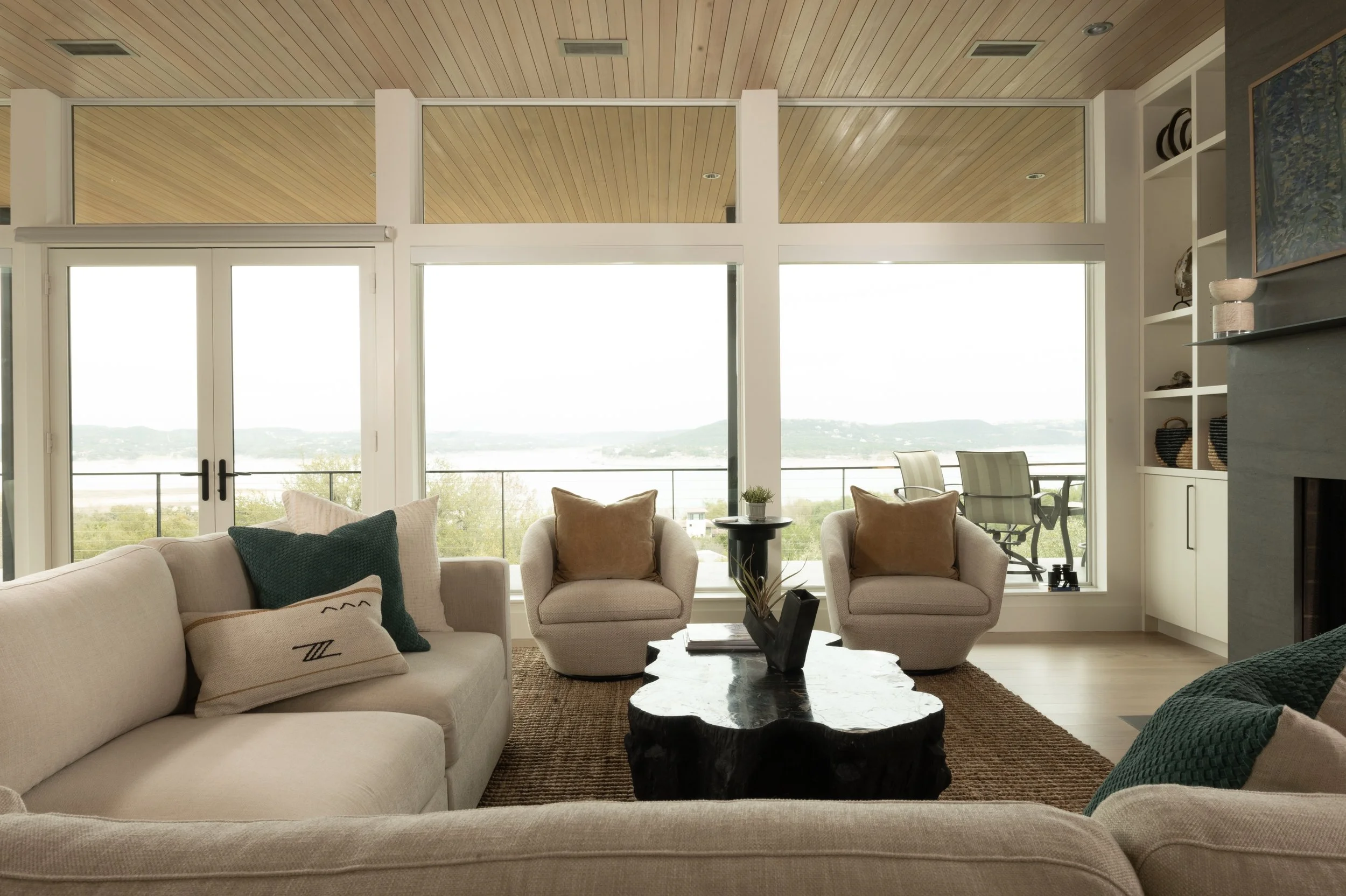
This remodel project of ours on Lake Travis has gorgeous views and a cozy interior.